
Contract vinyl, large-format murals and specialty wallcovering installed in working buildings — prepped properly, seamed tight, and scheduled around the people who use the space. Caldwell, Nampa, Boise, Meridian, Eagle and statewide.
The material is the first difference. Contract wallcovering is heavier than residential paper — typically a Type II vinyl built to survive corridors, carts and shoulders for years rather than a decade of quiet living-room wear. It hangs differently, it is less forgiving about where a seam lands, and it needs a substrate that has actually been prepared rather than painted over.
The second difference is the wall itself. Commercial drywall is often patched, previously papered, or finished to a level that was fine behind paint and is not fine behind vinyl. Prep is most of the job. Skipping it is why commercial installs fail at the seams a year later, and it is the part that gets squeezed when a schedule slips.
The third is everyone else in the building. A residential job inconveniences one family. A commercial job runs past staff, tenants, patients or customers, which makes sequencing, dust control and knowing exactly when a wall will be back in service part of the work rather than an afterthought.
Feature walls behind reception, branded graphics in boardrooms, and acoustic or textured coverings that make an open floor feel finished.
The first wall anyone sees, and usually the one with the most awkward geometry — curves, columns, soffits and full-height runs.
High-traffic runs where durable Type II vinyl earns its cost, and where consistent seam spacing over long walls is the whole test.
Cleanable, hard-wearing wallcovering in treatment rooms and waiting areas, installed around tight scheduling and infection-control requirements.
Short-term rentals, salons and small hotels, where rooms have to come back into service on a date that was set weeks ago.
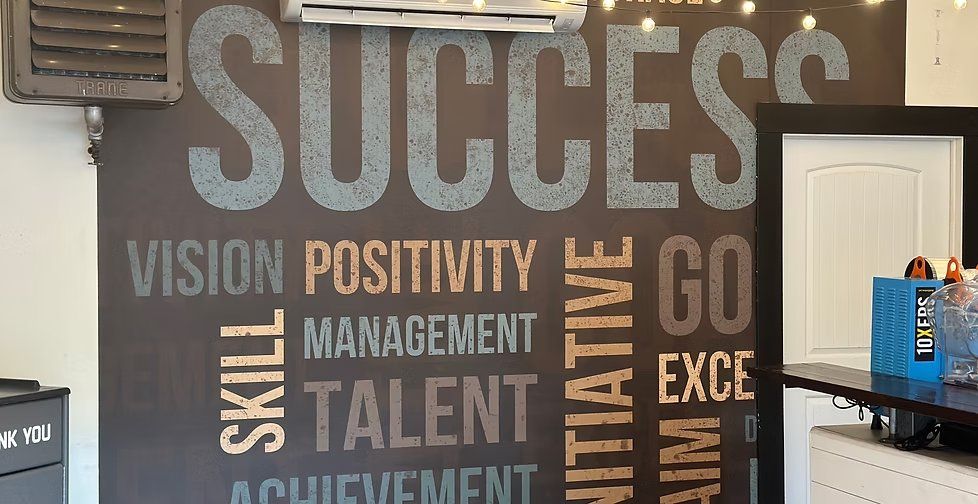
Shops, gyms and studios wanting a wall that photographs well — murals, oversized graphics and specialty textures.
We measure the real walls rather than the drawings, check what is already on them, and flag the substrate problems that would otherwise surface halfway through.
Exact quantities with the right overage for pattern repeat, so nothing stalls waiting on a reorder. We can order for you or hand the numbers to your designer.
Old covering off, adhesive washed back, patching and sanding, then a wallcovering-specific primer. This is where a long-lasting commercial install is actually made.
Hung in the sequence that keeps the most of your space usable for the longest, with each area cleaned and handed back as it is finished.
Most commercial wallcovering goes up in a space somebody still needs. That usually means working in phases, taking a corridor or a floor at a time, or starting after the building empties out.
Tell us the window you actually have and we will tell you plainly whether the work fits it. If it does not, we would rather say so up front than discover it on day three with a lobby half-papered.
Existing covering that has to come off first is its own piece of work — see wallpaper removal for how we handle that. You can also see finished commercial and residential work in the project gallery.
Based in Caldwell and working across the Treasure Valley and the rest of Idaho. Travel outside the valley is normal for commercial jobs — ask and we will tell you whether it pencils.
Often, and it is a normal request on commercial jobs. Our standard hours are Monday to Friday, 8am to 8pm, and anything beyond that depends on the job and the calendar. Tell us the window you need and we will give you a straight answer rather than a maybe.
Either. Plenty of commercial clients have a designer or an architect who has already specified the product, in which case we confirm quantities and install. If nobody has specified anything yet, we can work out what the walls need and handle the ordering.
That is common in commercial buildings, and it gets removed and the substrate repaired before anything new goes up. It is the single biggest variable in a commercial quote, which is why the walkthrough comes first. More detail on the removal page.
Yes — branded wall graphics, oversized murals and panel sets are some of the most satisfying commercial work there is. Panelled murals have to be hung in the right order with no room for drift, which is a different skill from repeating patterns.
No. A single feature wall behind a reception desk is a perfectly normal job, and so is a corridor that runs the length of a building.
Send through the space, the rough square footage and your timeline, and we will come walk it. No obligation — just an honest read on the walls and what the job really takes.